

CONSERVATION
Working together to protect wildlife and restore habitats
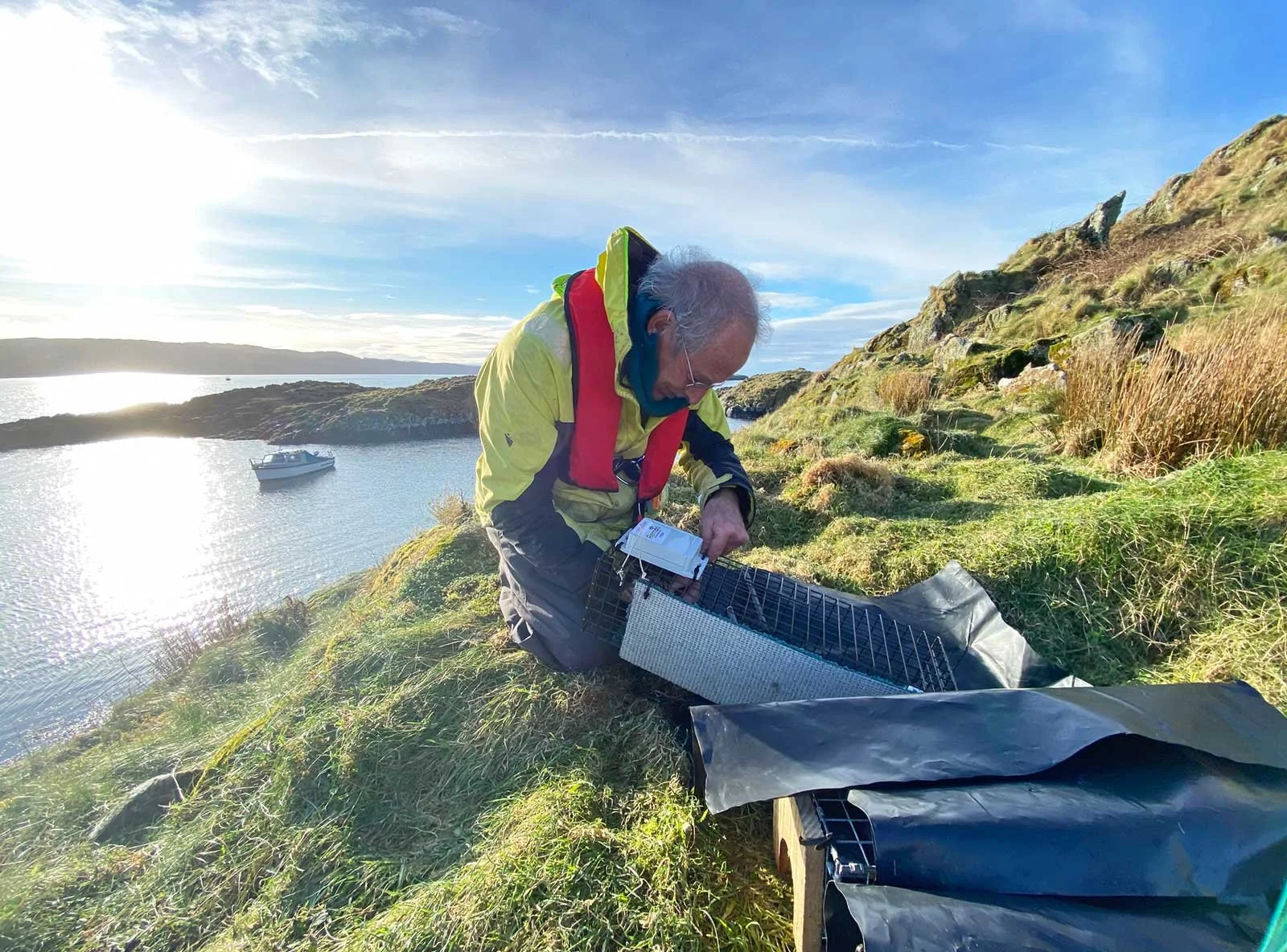
Building on the transformative impact that beavers have had on biodiversity, we deliver standalone projects and ongoing initiatives to enhance Knapdale’s many ecologically sensitive habitats.
We work to protect and restore vulnerable native wildlife, to remove harmful non-native invasive species, and to gather valuable data on mammals, birds, insects and amphibians through regular surveys and monitoring.
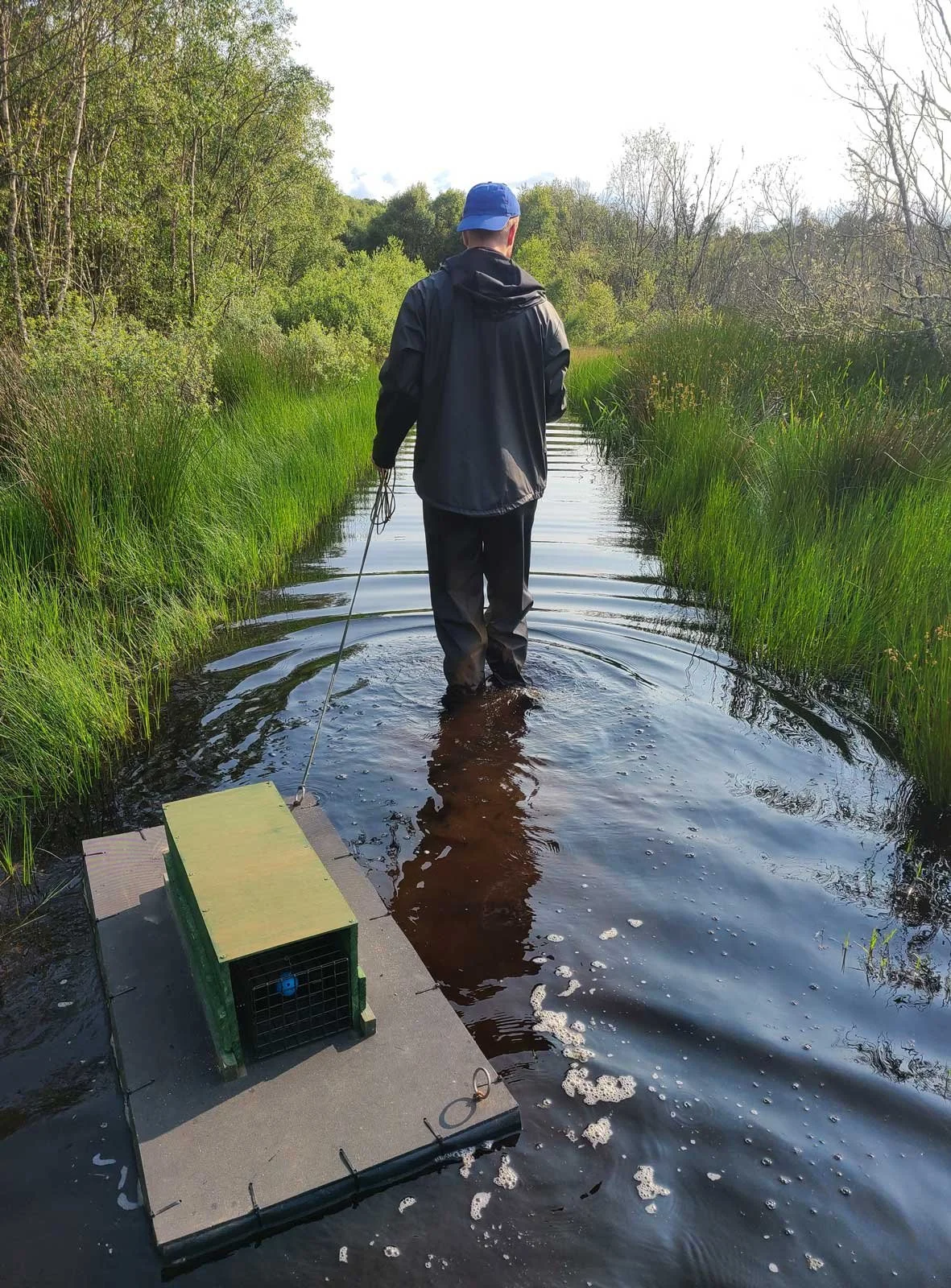
What makes Argyll Wildlife’s conservation projects special is the involvement of our local community.
We bring together school groups, volunteers, fellow wildlife organisations and neighbours across Argyll to share in the task of recording and protecting wildlife.
Photo: butterfly surveying at Barcaldine
Knapdale Mink Project & Water Vole RecoverY
Removing American mink and helping water voles and other native wildlife to thrive once again in Knapdale.
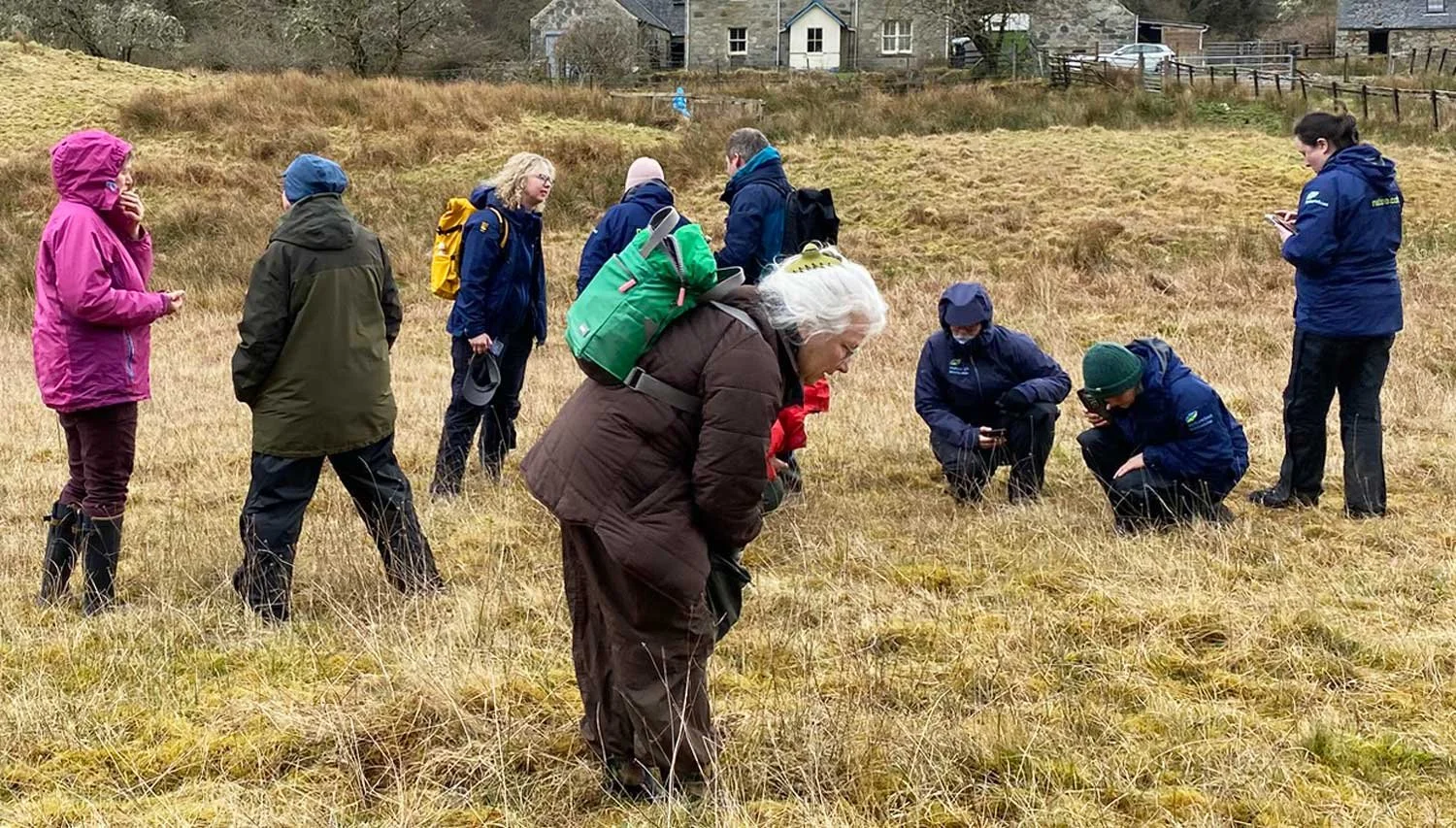
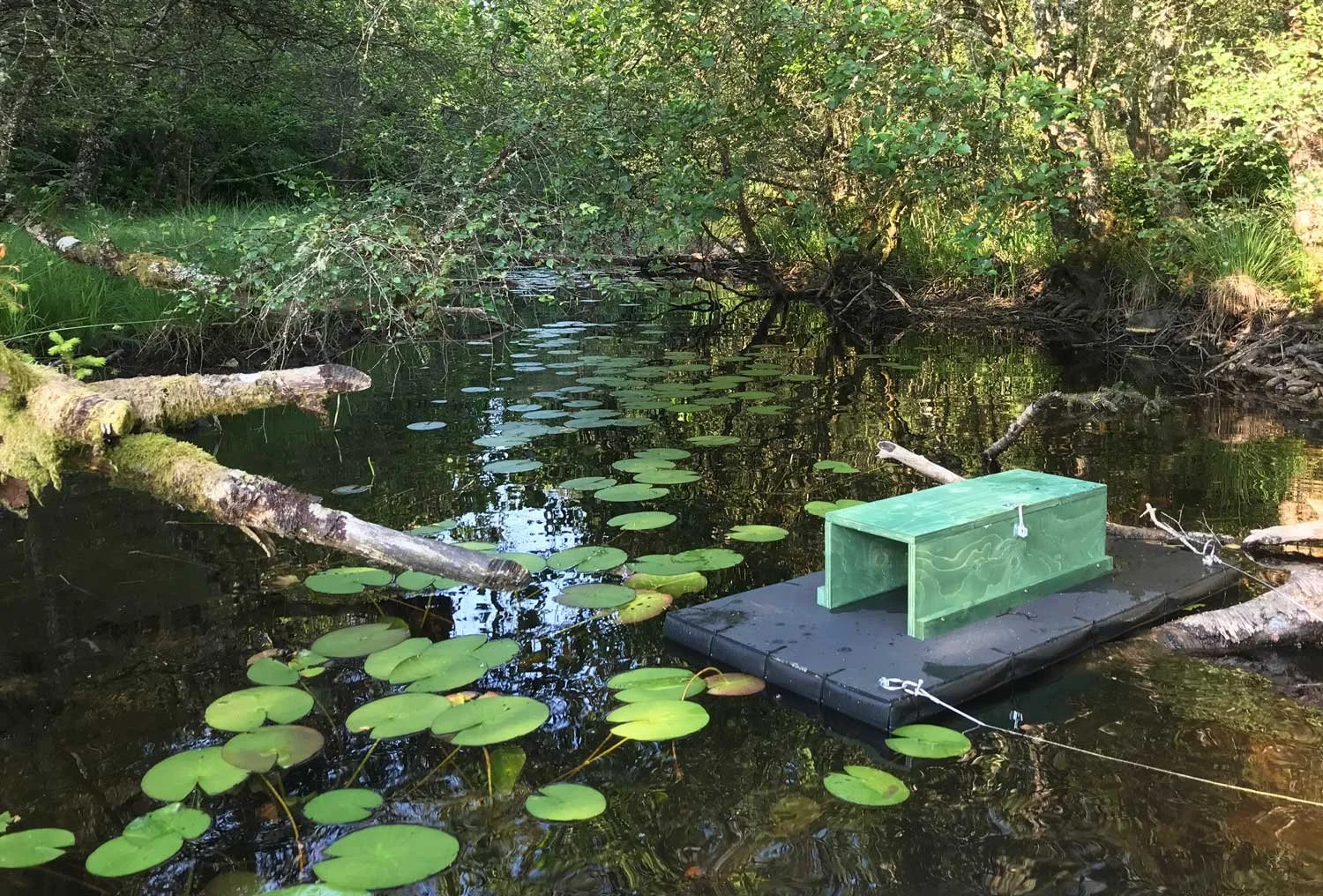
Photo: raft for mink trap
Why it matters
The idea for this project arose from observing the complex and biodiverse new wetlands engineered by Knapdale’s beavers - habitats perfect for water voles. Having been pushed to local extinction by the spread of non-native American mink since the 1980s, the last confirmed sighting of a water vole here was in 2009. We are working towards the long-term goal of seeing Scottish water voles thrive once again in the lochs and burns of Knapdale.
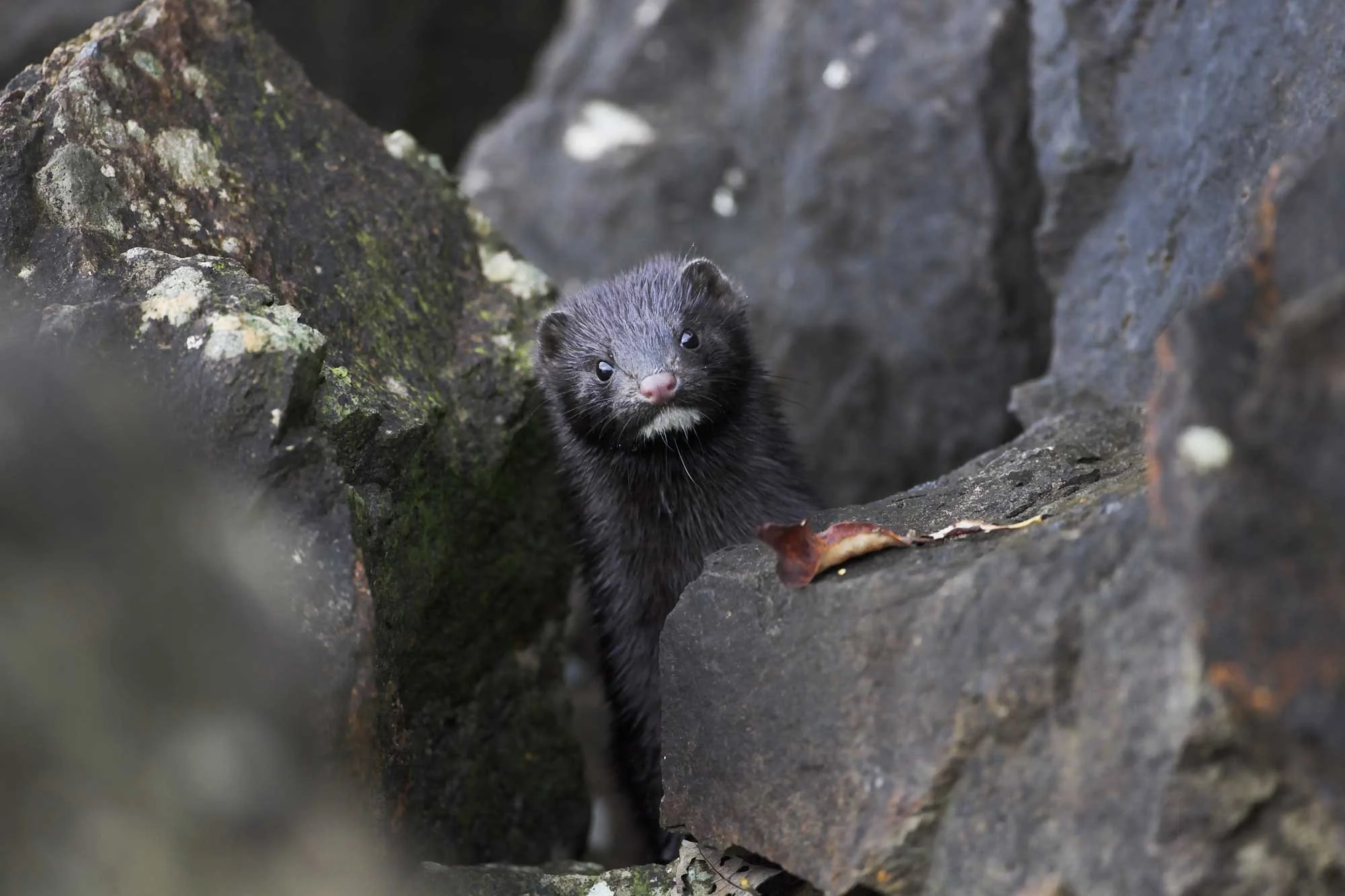
The vital first step is the lasting removal of American mink. Mink are widespread in Argyll, having escaped or been released from former fur farms, and have caused extensive harm to both water voles and many other native species - particularly ground-nesting seabirds and waterfowl. There are many records of former seabird colonies in and around Loch Sween and Loch Craignish that used to support thousands of nesting Arctic and common terns, common gulls, cormorants and shags, but now lie virtually empty.
A mink-free landscape
Since launching in 2024, the project has evolved and grown in ambition. Recognising both the scale of the task to eradicate mink, and the innumerable benefits this would bring not just to water voles but the entire ecosystem, we have mobilised a network of volunteers and landowners across the community in the shared goal of a mink-free landscape.
With guidance from Waterlife Recovery Trust, who have achieved impressive results restoring water vole populations in eastern England, we have deployed a network of remotely monitored smart traps across Knapdale and Loch Sween. We are working to scale up the project, to join up existing mink-free zones and sustain a ‘defendable’, mink-free area in mid-Argyll, until such a time that mink can be removed from the wider region.
Signs of recovery
The positive impact of the project is already clear: successful broods of kingfishers, shelducks, moorhens, sandpipers, common and Arctic terns (pictured) have been recorded in areas where previously they were absent.
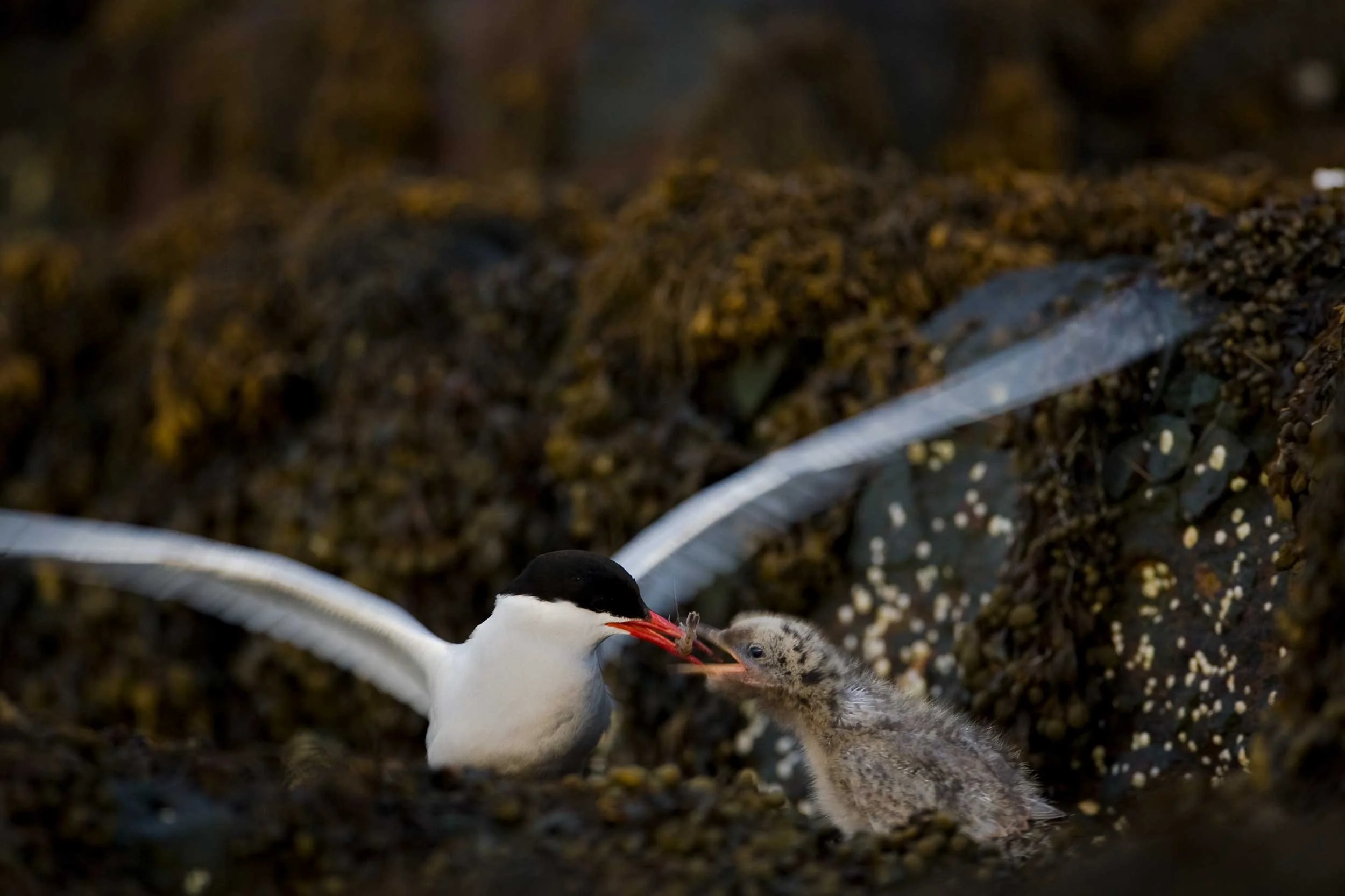
Arctic tern feeding its chick
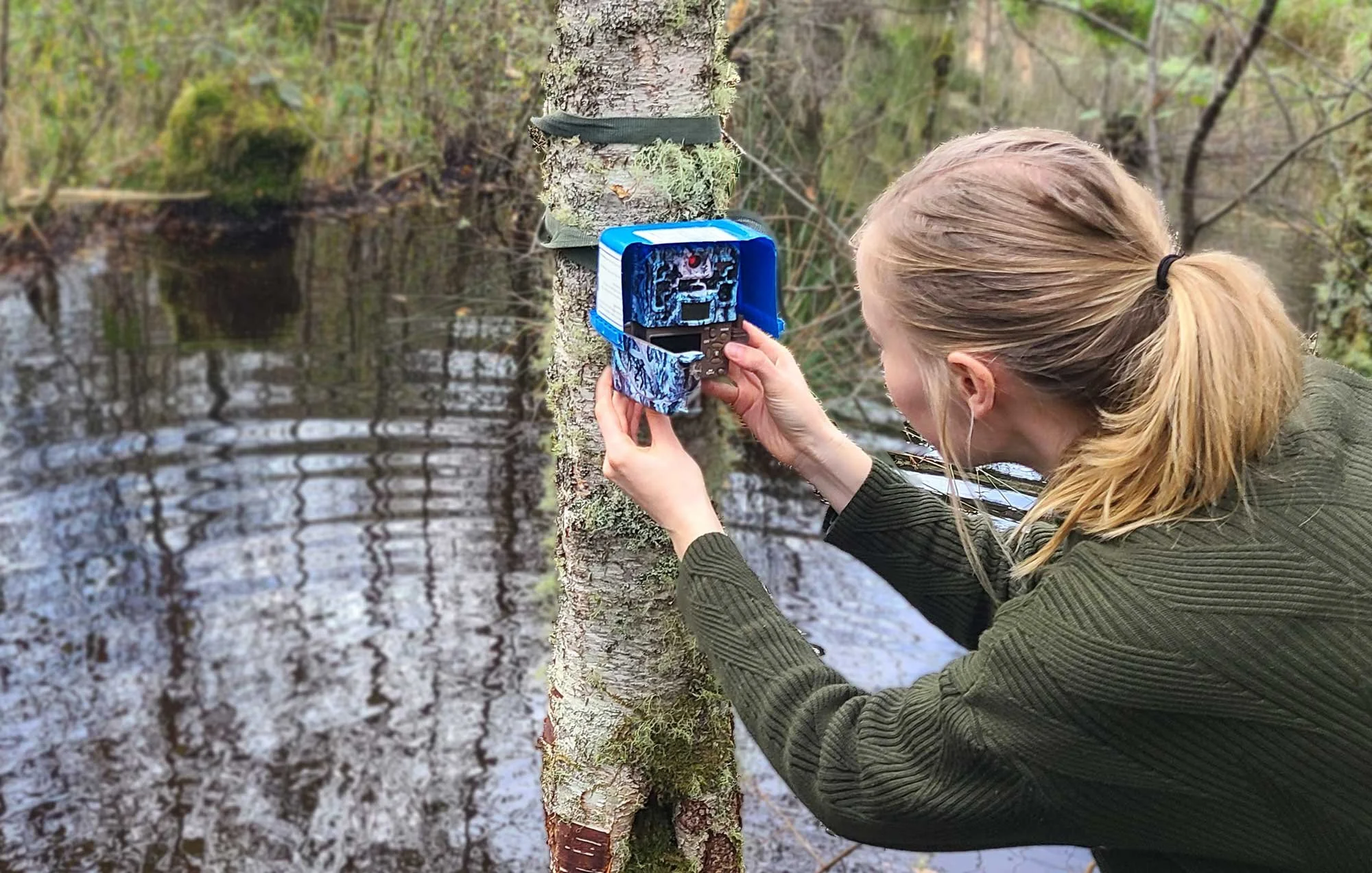
Team member checking a wildlife camera trap
How can I help?
We need your mink sightings!
Please fill in our form to tell us if you’ve spotted a mink in Argyll.
Please donate here to support the project.
If you live in the PA31 or PA30 postcode areas and want to get involved in the project, please contact Project Manager, Clare Saxby, at clare@argyllwildlife.scot.
-
Beaver Monitoring
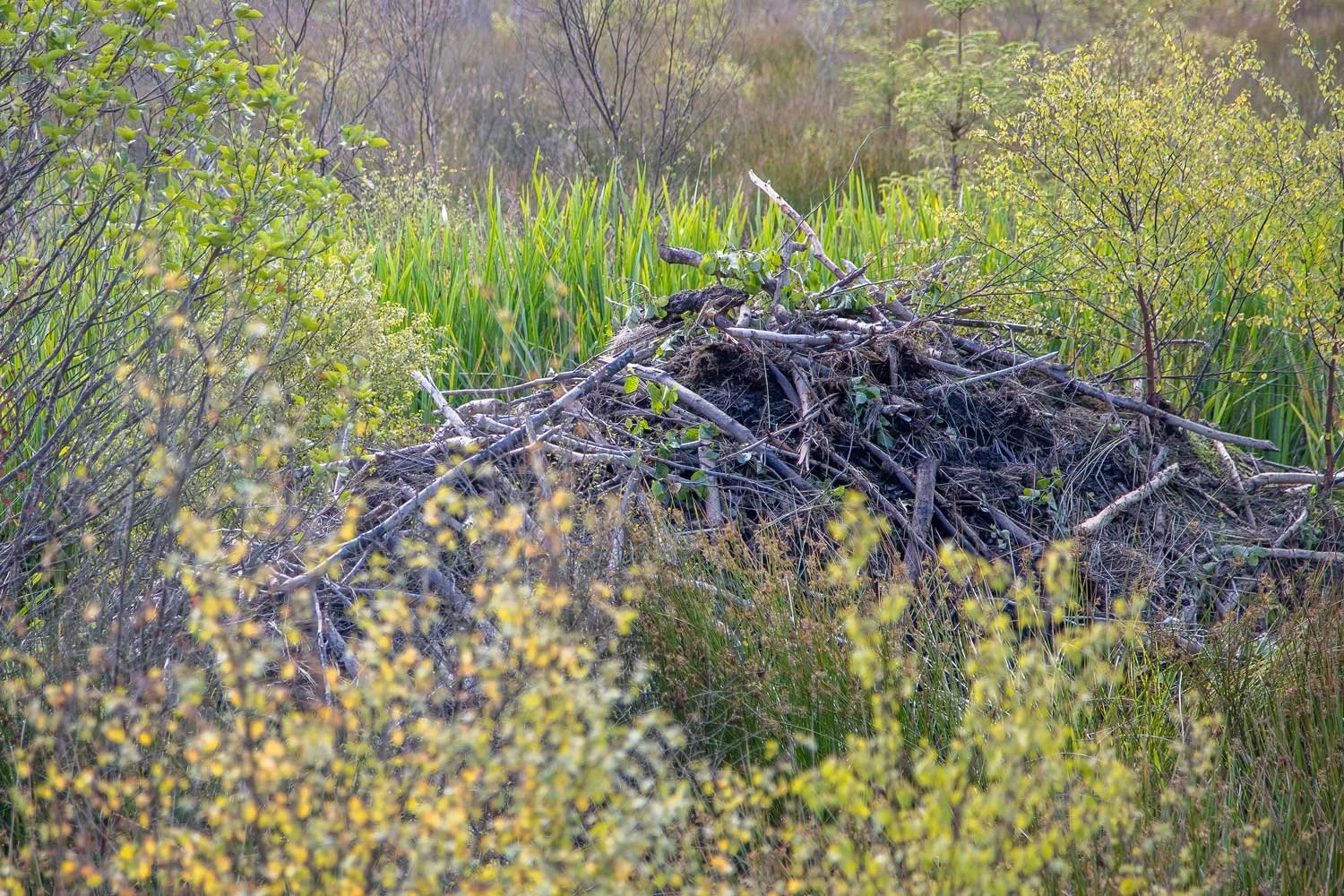
Since the end of the Scottish Beaver Trial, we have stepped in to continue monitoring the burgeoning beaver population across Knapdale. We use trail cameras to keep track of how the beaver families are growing, where their latest dams and lodges have been built, and all the other species making use of their wetland home. Footage from these camera traps allows us to record sightings of rare species, but for the most part is used to educate and delight visitors to the beaver centre with clips of beavers in action. Each autumn we work alongside Forestry and Land Scotland to carry out a comprehensive annual beaver signs survey.
Photo: a large beaver lodge in a Knapdale wetland © Beaver Trust
-
River Guardians
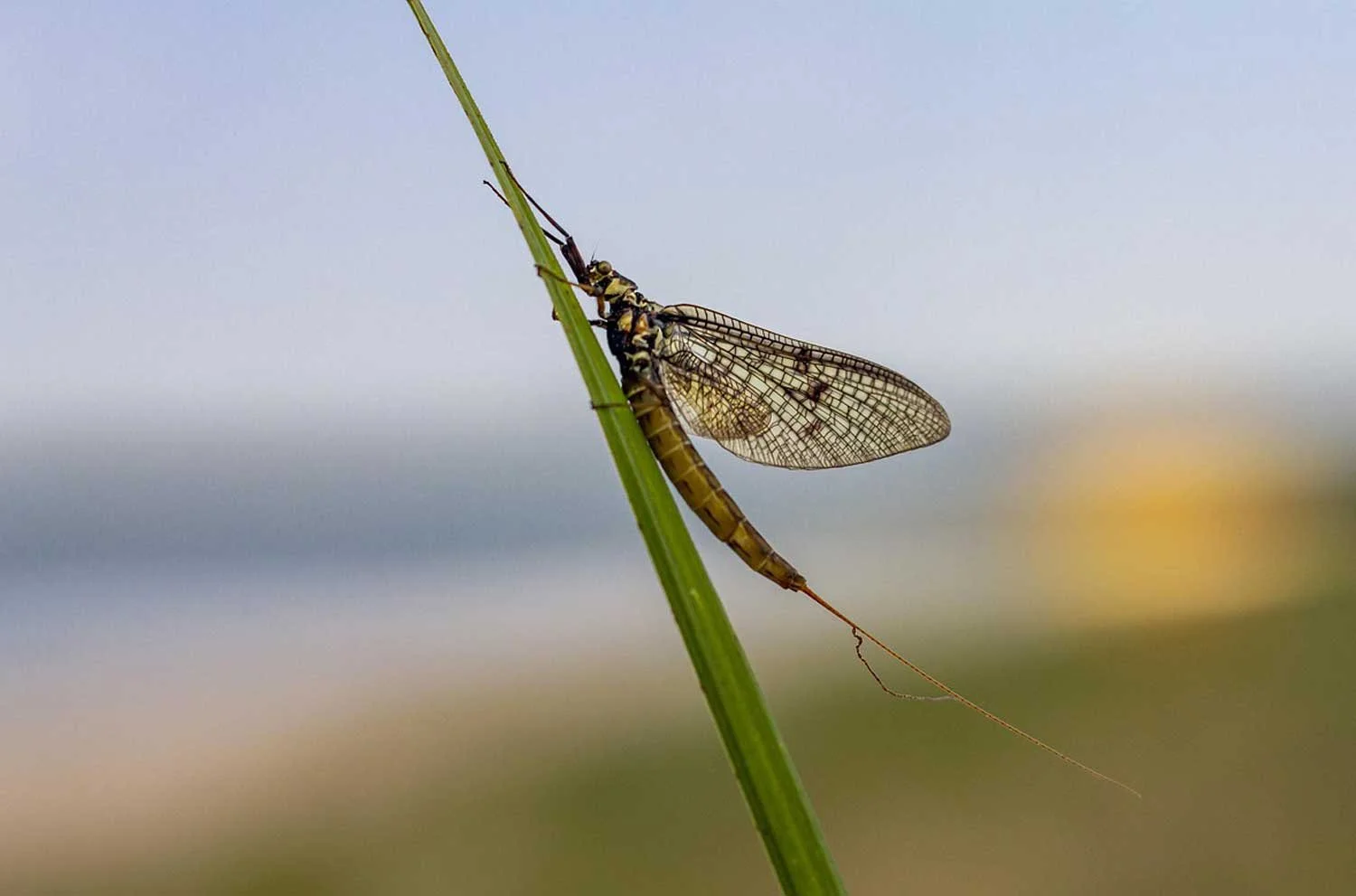
We are part of Buglife’s Guardians of Our Rivers partnership, through which we have been trained to survey our local watercourses for riverflies - indicators of the health of a river and of potential pollution incidents. By carrying out monthly surveys at a number of sites, our trusty volunteers are contributing to the national Riverflies Partnership, gathering data on riverfly populations over time, and building the skills and knowledge needed to safeguard our waterways.
Photo: mayfly
-
Seawilding
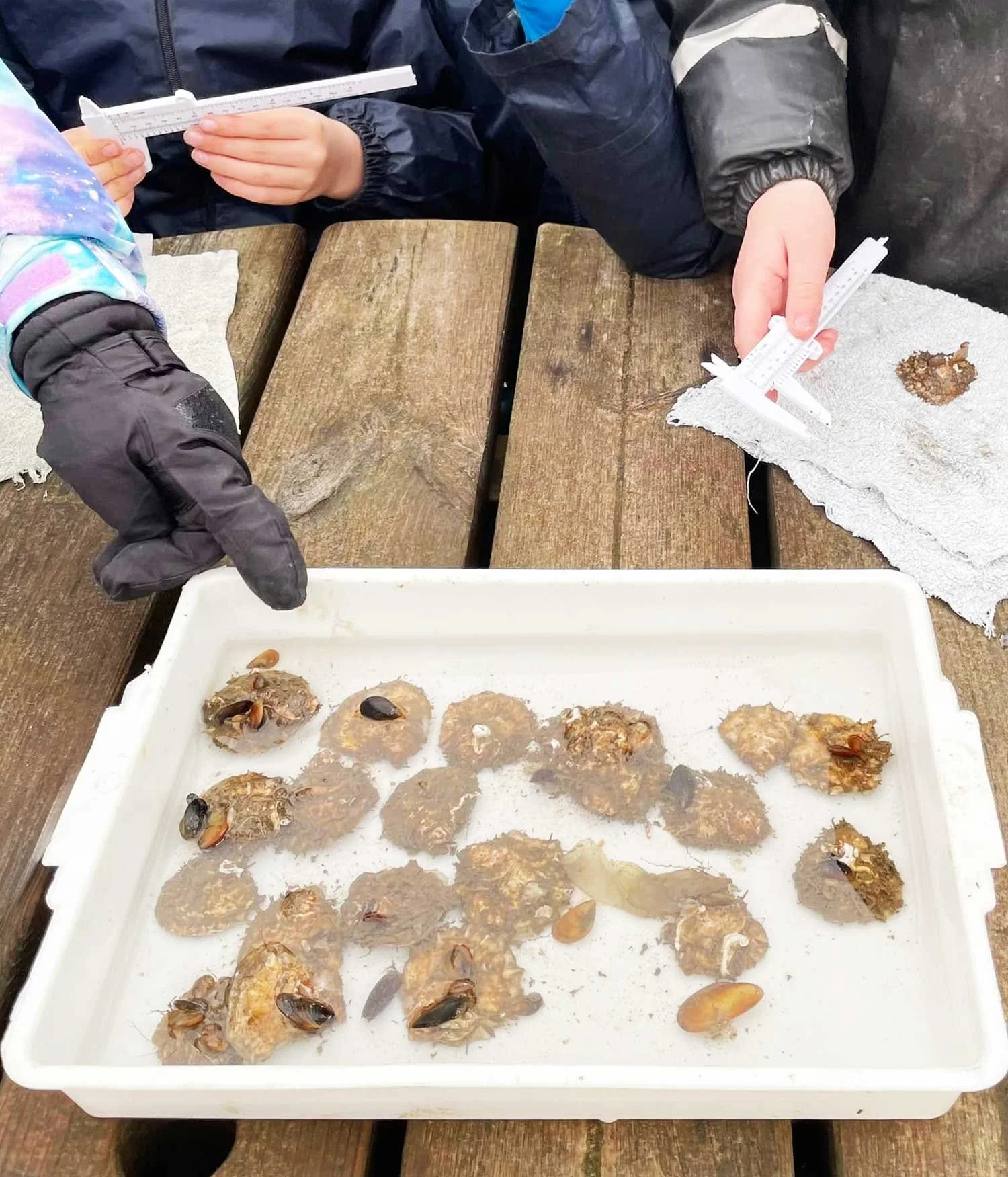
Our collaboration with fellow local wildlife charity Seawilding sees us bring local school groups up close to the wonderful underwater world of Loch Craignish and directly involves them in environmental conservation. We support primary school pupils to monitor young native oysters growing off Ardfern Marina. Here they grow inside ‘oyster hoisters’ until they are large enough to be released into the loch to bolster numbers of this rare species. During a fun hands-on day out by the sea, pupils learn about the oysters’ role in water filtration, carry out measurements and data collection and come face-to-face with some colourful creatures that live below the surface.
Photo: measuring oysters
-
Argyll Hope Spot
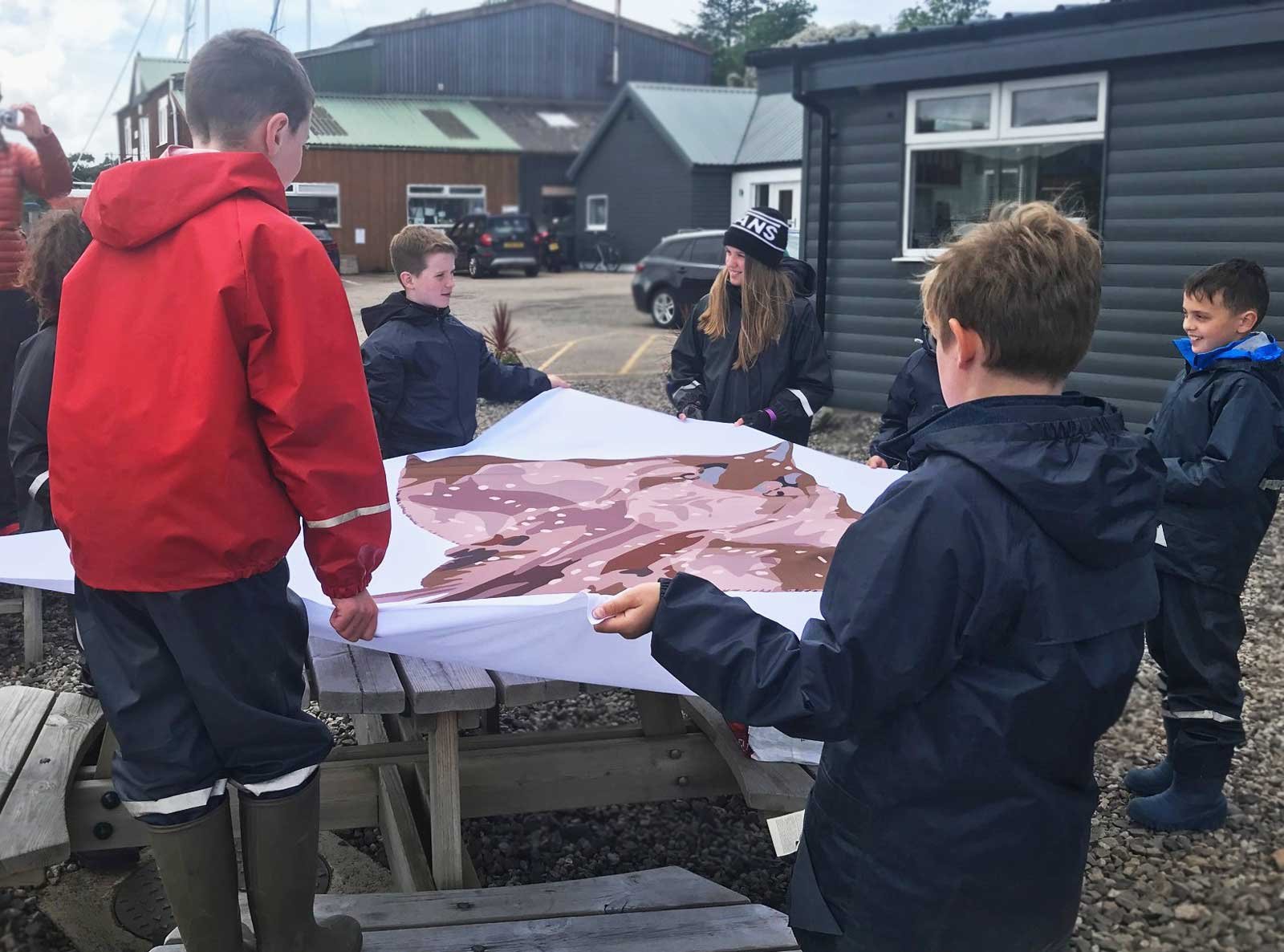
We work closely with Argyll Hope Spot on a number of initiatives that tie together environmental education, community engagement and marine conservation. From dedicated seashore safaris, to joint education sessions, we collaborate to protect and celebrate rare species in the Sound of Jura and Loch Sween Marine Protected Area.
Photo: children working on a flapper skate graphic